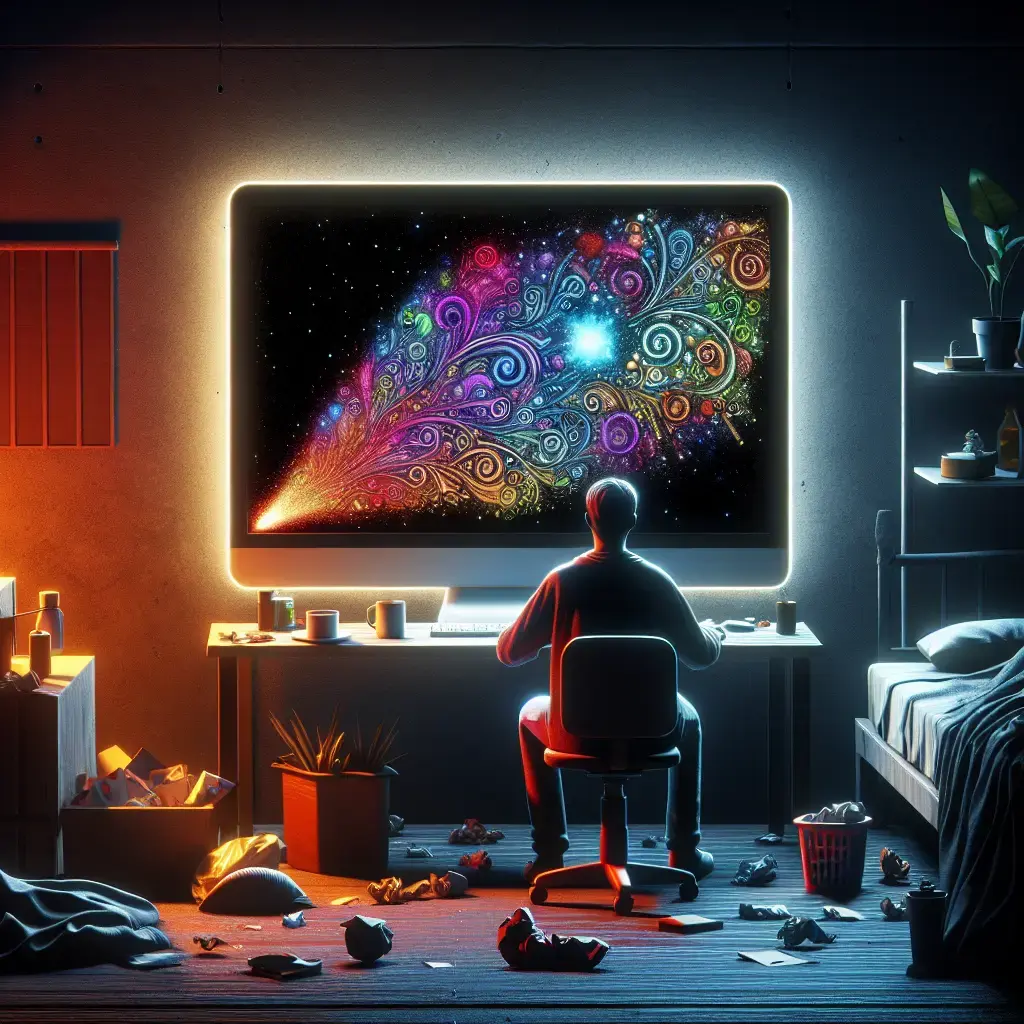
Exploring the Impacts of Generative AI Addiction
Generative AI, a technological marvel of our age, is making waves in various sectors from creative arts to customer service. However, as with any innovation, there is a flip side that merits attention—the potential for addiction.
Understanding Generative AI Addiction
Generative AI has the ability to produce content ranging from text to art, music, and even complex problem-solving. While this opens up a world of possibilities, it also introduces the risk of becoming excessively reliant or addicted to these tools. But what does it mean to be addicted to generative AI?
- Constant Use: People may find themselves unable to function without the assistance of AI, turning to it for every task, big or small.
- Escapism: Just as with any addiction, individuals might use generative AI as a means to escape reality or avoid confronting personal challenges.
- Obsessive Creation: The thrill of creating something new with minimal effort can lead to compulsive behaviors where the user constantly seeks the dopamine hit from seeing their ideas come to life instantly.
The Impact of Addiction
- Productivity Decline: Although generative AI is designed to enhance productivity, over-reliance can lead to diminished critical thinking and creativity.
- Mental Health Concerns: Similar to other forms of digital addiction, an overuse of generative AI might contribute to anxiety, stress, or depression.
- Social Isolation: Individuals might spend more time interacting with AI than with real people, potentially leading to a breakdown in personal relationships.
Addressing the Issue
It's crucial to identify early signs of addiction and address them proactively. Here are some strategies:
- Set Boundaries: Limit the use of generative AI to specific tasks or times of day.
- Seek Balance: Encourage activities that don’t involve technology, such as hobbies or outdoor pursuits.
- Awareness and Education: Foster an understanding of how generative AI works and its potential pitfalls.
Conclusion
While generative AI offers remarkable benefits and opportunities, recognizing and mitigating the risk of addiction is essential for healthy interaction with these tools. Balancing technology with human touch will ensure that generative AI remains a boon rather than a bane in our lives.
For further reading on this emerging issue, you can explore the insights shared in this article.
Thank you for joining me on this exploration of generative AI's impacts. Stay mindful and tech-savvy!
Author: Olivia Maxwell