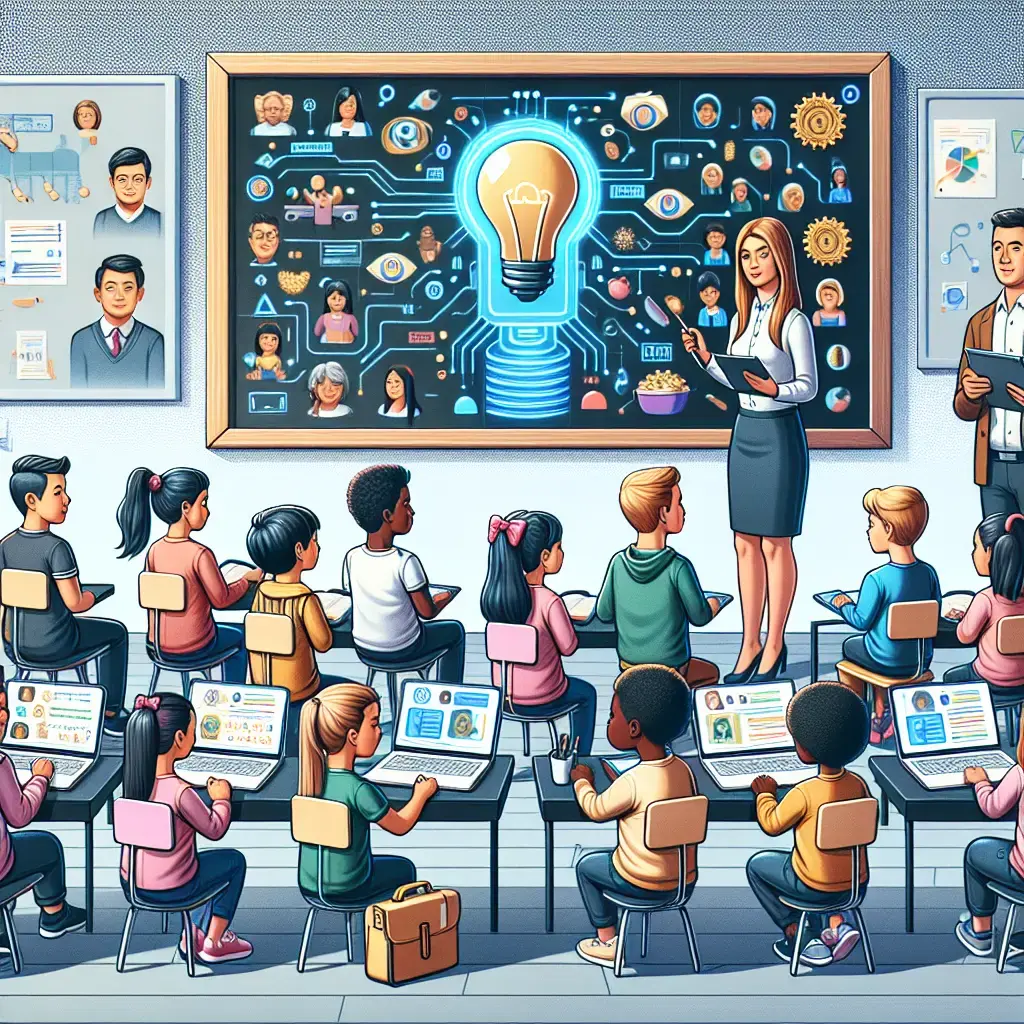
Generative AI in Education: Revolutionizing Learning and Teaching Methods
In today's rapidly evolving educational landscape, the integration of Generative AI in education is spearheading a profound transformation in how students learn and teachers instruct. This AI revolution is reshaping traditional classrooms into dynamic hubs of knowledge powered by cutting-edge educational technology. As AI-driven learning becomes increasingly prevalent, it offers unprecedented opportunities for personalized learning, allowing students to engage with tailored content that meets their unique needs.
The Role of Generative AI in Personalized Learning
Generative AI's ability to tailor educational content to individual student needs represents a significant advancement in personalized learning. By analyzing vast amounts of data on student performance and preferences, AI tools for teachers can customize curricula that cater to diverse learning styles. This capability is particularly impactful in fostering student engagement, as learners interact with material that is both relevant and stimulating.
Recent developments underscore the practical applications of this technology. For instance, Microsoft's introduction of AI-powered summaries to Bing search results demonstrates the potential for AI to provide concise, relevant information, a feature that could be adapted to educational settings for delivering tailored content to students.
Transforming Classrooms with AI Teaching Methods
AI in classrooms is reshaping the traditional educational model. The implementation of AI teaching methods allows educators to focus on more complex and creative aspects of instruction while delegating routine tasks to intelligent systems. This approach facilitates the development of a curriculum that emphasizes critical thinking and problem-solving skills.
New Jersey's initiative to position itself as an AI hub, through substantial tax incentives for AI businesses, highlights a commitment to integrating these technologies into educational frameworks. While such economic policies aim to attract businesses, their success in generating jobs remains a topic of debate. However, the influx of AI expertise could enhance educational institutions' capabilities in deploying advanced AI solutions.
Enhancing Student Engagement with AI Educational Applications
AI educational applications are at the cutting edge of making learning more interactive and captivating. These applications leverage machine learning to create immersive experiences that maintain student interest and facilitate a deeper understanding of complex concepts.
Companies like Napkin are pioneering the use of visual AI to automate storytelling, offering innovative solutions for educators seeking to enrich presentations and lessons. By transforming static information into dynamic narratives, educators can engage students more effectively and foster a more stimulating learning environment.
Adaptive Learning Technologies: The Future of Education with AI
Adaptive learning technologies are integral to the future of education with AI, offering solutions that adjust to individual student progress in real-time. These systems utilize AI-powered platforms to analyze performance data and adapt instructional strategies accordingly, ensuring that each student's learning journey is both efficient and effective.
In higher education, these platforms are crucial for accommodating diverse student populations with varying needs and backgrounds. As noted by industry reports, companies such as American Express and JP Morgan Chase are leveraging AI to enhance business operations, underscoring the cross-sector applicability of adaptive technologies.
Addressing Challenges in the AI Revolution in Learning
Despite the promise of an AI revolution in learning, challenges persist. Concerns about job displacement due to automation are prevalent as businesses shift priorities. However, the role of educators is not necessarily at risk; instead, it is evolving. Educators are increasingly tasked with integrating AI tools into their teaching methods and preparing students for a future dominated by digital technologies.
Moreover, the hype surrounding AI investment raises questions about sustainability and profitability. As tech giants prepare to announce their earnings, the pressure mounts to demonstrate tangible returns from their AI ventures. This financial scrutiny highlights the importance of strategic implementation of AI in education to ensure it delivers value.
Conclusion: Embracing the AI-Driven Future of Education
As we navigate this era of digital transformation in education, the role of Generative AI cannot be overstated. By embracing innovative teaching methods with AI, educators are equipped with advanced analytics that provide insights into student progress and inform teaching strategies.
The exploration of AI's capabilities sets the stage for unparalleled opportunities for learners and educators alike. Through adaptive learning technologies and personalized curricula, the potential for enhanced learning experiences is immense. As institutions continue to adopt these technologies, they pave the way for a future where education is both engaging and effective, preparing students for success in an increasingly digital world.
I invite you to reflect on how AI has impacted your educational journey or teaching practices. Share your experiences or thoughts on the future of AI in education in the comments below. Let's continue this conversation and explore the possibilities together.
Warm regards,
Olivia Maxwell